To preach the Gospel of Jesus faithfully, the church must recover and embody what I call the spirit of martyrdom—the mindset that shaped the new covenant ministry of Jesus, the New Testament church and much of the early Christian movement.
On the night Jesus was arrested, Peter confidently declared that he was ready to follow him anywhere and even lay down his life for him. Yet when the hour of testing came, Peter denied Jesus three times.
After Pentecost, however, that same Peter became a courageous witness, willing to suffer for the Gospel of the Kingdom and the name of Jesus. He admonished fellow believers to follow in his steps, arm themselves with his mindset, remain unshaken by fiery trials and entrust themselves to God while continuing to do what is right (1 Pet. 2:21; 4:1, 12–19).
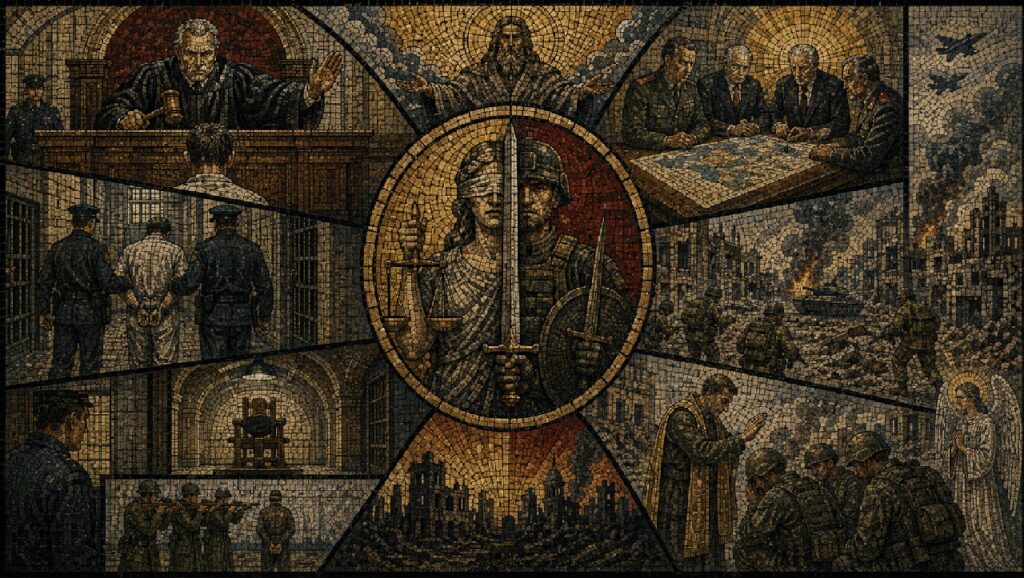
This spirit of martyrdom defined the earliest Christian movement. For roughly the next four centuries, Christians were widely known for choosing nonviolent resistance and martyrdom rather than armed self-defense or participation in war, even under brutal persecution. The surviving pre-Constantinian literary record is strikingly consistent: Christian writers who addressed the subject opposed killing and military participation. Although some professing Christians served in the Roman army, they were generally treated as exceptions, and in some communities military service brought exclusion from local church. But what some term “the Constantinian shift” introduced a new spirit.
The Roman Emperor Constantine’s rise to power and the Edict of Milan in AD 313 brought Christianity increasing imperial favor. Later, the so-called Church Father Augustine laid the foundations of what became known as “Just War” theory. Over time, this Augustinian form of Christianity came to dominate both Eastern and Western Christendom, replacing the earlier spirit of martyrdom with participation in politics and the military.
Yet the spirit of martyrdom must also be distinguished from taking one’s own life to escape suffering.
New Testament martyrdom is faithfulness under persecution, especially when enemies threaten or take the believer’s life. Stephen did not kill himself to avoid being stoned. He remained faithful, prayed for his enemies and entrusted himself to the lord Jesus until his persecutors killed him (Acts 7:54–60).
The same pattern appears in Hebrews 11, “the hall of faith” which honors those who:
“were mocked and flogged, chained and imprisoned. They were stoned, sawn apart, killed with the sword. They went around in sheepskins and goatskins; they were impoverished, persecuted, cruelly treated—the world was not worthy of them—wandering in deserts, mountains, caves, and holes in the ground. All these gained approval for their faith, but they did not receive the promise, because God had provided something better for us, so that they would not be made perfect without us” (Heb. 11:36–40).
These people are honored because they all endured imprisonment, torture and death by holding to the gospel that looked forward to a better resurrection (Heb. 10:32–39; 11:35–38).
At the same time the New Testament does not teach believers to seek death, provoke persecution or blindly seek martyrdom.
Jesus sometimes withdrew from danger and instructed his disciples to flee when persecuted (Matt. 10:23; John 8:59; 10:39). Paul escaped Damascus, fled hostile crowds, accepted Roman military protection and appealed to his legal rights (Acts 9:23–25; 14:5–6; 22:25; 23:12–24; 25:11).
When such means are impossible, however, the Christian calling is not self-destruction but “the obedience of faith” to the gospel of Jesus. He warned his followers that they would be hated, betrayed, imprisoned and killed because of his name, yet he called them to endure to the end (Matt. 10:16–22; 24:9–13; Luke 21:12–19).
Similarly, Paul taught that believers enter the Kingdom of God through many trials and that all who desire to live faithfully in Messiah Jesus will suffer persecution (Acts 14:22; 2 Tim. 3:12).
Revelation describes faithful believers as those who overcame through the blood of the Lamb and the word of their testimony because they did not love their lives even when facing death (Rev. 12:11). This does not mean that they hated life. It means that they loved God, His Gospel and His Son more than self.
The hope of resurrection and the coming Kingdom frees Christians from slavery to the fear of death (Dan. 12:2; John 5:28–29; 1 Cor. 15:20–23, 50–58; Heb. 2:14–15; Rev. 20:4–6). Yet this hope never makes human life disposable. Every persecuted, imprisoned or abused believer remains precious and worthy of mercy, protection and the promises of God.
The early Christian movement spread not because believers possessed political or military power, but because they were convinced that no prison, torture or execution could cancel God’s Kingdom promise: resurrection to the immortal life of the age to come.
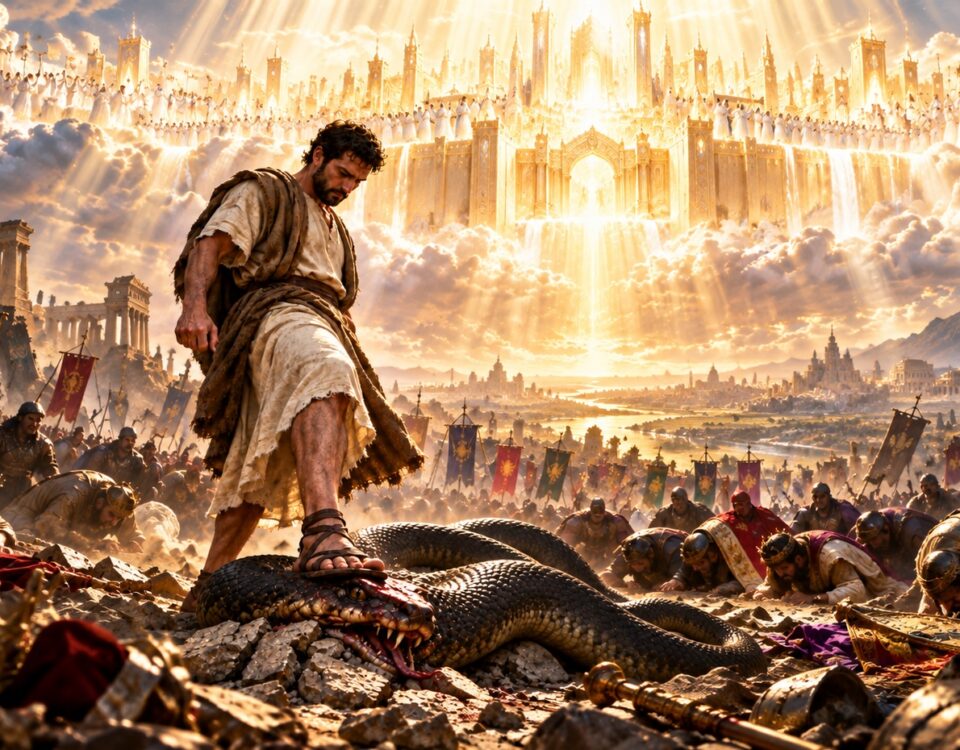
The church desperately needs to recover that spirit. We must shape our minds now, learn the obedience of faith and pray for the courage to remain faithful when testing comes (Luke 9:23–24; Rom. 8:17–18, 35–39; Phil. 1:27–30; 2 Tim. 1:7–8; Rev. 2:10).
The spirit of martyrdom is freedom that is found only in Messiah from the fear of death. It is the determination to entrust our lives to God and continue doing what is right in His sight, whatever the cost. In order to proclaim the Gospel of the Kingdom and the name of Jesus faithfully, the church must once again recover and live out that spirit of martyrdom (Acts 8:12).

Signature: YLnQvfddA2MpNbRD5eQ6rDm65YEl/n6q8Gt96f/bJ8VtPGewgxlxjb6Zg1AmwmNGs2XFSBBKedheDop43SyiV0Ev/kXIuXJ0qdxgfRkRqJqE8dzr1o0sIqvqjtTKi3/CO5lJLXye1eD0uH4Uaz75R4e5omhEpD716ZGGmxqUEsTiIYp5frNuVPIs13wwezvQDf1dL6s3vFE9tOD2EwFMWlH2PfwpVNJ2WDPTJiCWoPs92OZ8ndCk1YbQs+a5xYQm/Cb1IRJB/9xxKcMvbrikqns7yK9ki7DmUxwOrMxDA1TzQqu6eKCq9dMAzCyyaimKXN6vDPA2QTSQSHcs2/XzD24gheKgmbbq5/lCmUf1RWBL1xtL71kYB+JXPlroLzvx4aysGOg1rd4/I4liBNjVIfhrmMKX1TeSK3nDJGqHw4cS+l7vSGzRkA9Qf+Mx8Ql1XwonDFYpaYz5M5ZdYy/j7Hb9iLQuqNLycln1UUQV27QLgkrsKnPnhgFO9X18Zbohbq4T5mt7IEgE9nfe5HEEX7ABx9QW5+c37Gb+tg+/1CZ4cx51nbLiZduq9q7NqKUtX9ypyg2Ci2FZvx8qQULni99LwpB2vcnzta8Dg3AyRYFm986mQbZRmw8YESg+f+12dMb7Nj5BaUe9YmPRTbmatiX7IbjXJzaz1HdMblGtxJwt9/eg8IC7riANPVpzdrKssQH67X/dvrzfPPKO8ZAjzBB0d6sTKZu7UnauBWWqfHEmfRWjeeWcIbZqtY0Kf9G64uWjPGaMGu5wF09EWZ9T5WiZKtwykW9Jld/H/lH2XJqoeDrGpe9tNIIS3dXWB9Xq/8a26h1fzWaRgCIiCaw6kArCvSuhZVfJHdMRgT1zacKyIOb37NYcsGzlFDKjsaW0D51opdJPmssaIywaDn/tmnuIJITlav8EVr5rL5zsoxeFlJX4wN0DRcc8Ghsq8gct
Signature: YLnQvfddA2MpNbRD5eQ6rDm65YEl/n6q8Gt96f/bJ8VtPGewgxlxjb6Zg1AmwmNGs2XFSBBKedheDop43SyiV0Ev/kXIuXJ0qdxgfRkRqJqE8dzr1o0sIqvqjtTKi3/CO5lJLXye1eD0uH4Uaz75R4e5omhEpD716ZGGmxqUEsTiIYp5frNuVPIs13wwezvQDf1dL6s3vFE9tOD2EwFMWlH2PfwpVNJ2WDPTJiCWoPs92OZ8ndCk1YbQs+a5xYQm/Cb1IRJB/9xxKcMvbrikqns7yK9ki7DmUxwOrMxDA1TzQqu6eKCq9dMAzCyyaimKXN6vDPA2QTSQSHcs2/XzD24gheKgmbbq5/lCmUf1RWBL1xtL71kYB+JXPlroLzvx4aysGOg1rd4/I4liBNjVIfhrmMKX1TeSK3nDJGqHw4cS+l7vSGzRkA9Qf+Mx8Ql1XwonDFYpaYz5M5ZdYy/j7Hb9iLQuqNLycln1UUQV27QLgkrsKnPnhgFO9X18Zbohbq4T5mt7IEgE9nfe5HEEX7ABx9QW5+c37Gb+tg+/1CZ4cx51nbLiZduq9q7NqKUtX9ypyg2Ci2FZvx8qQULni99LwpB2vcnzta8Dg3AyRYFm986mQbZRmw8YESg+f+12dMb7Nj5BaUe9YmPRTbmatiX7IbjXJzaz1HdMblGtxJwt9/eg8IC7riANPVpzdrKssQH67X/dvrzfPPKO8ZAjzBB0d6sTKZu7UnauBWWqfHEmfRWjeeWcIbZqtY0Kf9G64uWjPGaMGu5wF09EWZ9T5WiZKtwykW9Jld/H/lH2XJqoeDrGpe9tNIIS3dXWB9Xq/8a26h1fzWaRgCIiCaw6kArCvSuhZVfJHdMRgT1zacKyIOb37NYcsGzlFDKjsaW0D51opdJPmssaIywaDn/tmnuIJITlav8EVr5rL5zsoxeFlJX4wN0DRcc8Ghsq8gct
Signature: YLnQvfddA2MpNbRD5eQ6rDm65YEl/n6q8Gt96f/bJ8VtPGewgxlxjb6Zg1AmwmNGs2XFSBBKedheDop43SyiV0Ev/kXIuXJ0qdxgfRkRqJqE8dzr1o0sIqvqjtTKi3/CO5lJLXye1eD0uH4Uaz75R4e5omhEpD716ZGGmxqUEsTiIYp5frNuVPIs13wwezvQDf1dL6s3vFE9tOD2EwFMWlH2PfwpVNJ2WDPTJiCWoPs92OZ8ndCk1YbQs+a5xYQm/Cb1IRJB/9xxKcMvbrikqns7yK9ki7DmUxwOrMxDA1TzQqu6eKCq9dMAzCyyaimKXN6vDPA2QTSQSHcs2/XzD24gheKgmbbq5/lCmUf1RWBL1xtL71kYB+JXPlroLzvx4aysGOg1rd4/I4liBNjVIfhrmMKX1TeSK3nDJGqHw4cS+l7vSGzRkA9Qf+Mx8Ql1XwonDFYpaYz5M5ZdYy/j7Hb9iLQuqNLycln1UUQV27QLgkrsKnPnhgFO9X18Zbohbq4T5mt7IEgE9nfe5HEEX7ABx9QW5+c37Gb+tg+/1CZ4cx51nbLiZduq9q7NqKUtX9ypyg2Ci2FZvx8qQULni99LwpB2vcnzta8Dg3AyRYFm986mQbZRmw8YESg+f+12dMb7Nj5BaUe9YmPRTbmatiX7IbjXJzaz1HdMblGtxJwt9/eg8IC7riANPVpzdrKssQH67X/dvrzfPPKO8ZAjzBB0d6sTKZu7UnauBWWqfHEmfRWjeeWcIbZqtY0Kf9G64uWjPGaMGu5wF09EWZ9T5WiZKtwykW9Jld/H/lH2XJqoeDrGpe9tNIIS3dXWB9Xq/8a26h1fzWaRgCIiCaw6kArCvSuhZVfJHdMRgT1zacKyIOb37NYcsGzlFDKjsaW0D51opdJPmssaIywaDn/tmnuIJITlav8EVr5rL5zsoxeFlJX4wN0DRcc8Ghsq8gct